
A good business photo should do more than prove you own a nice shirt. It should give people a quick, believable sense of who they will be dealing with. The best branding photography examples make a business feel recognizable before a customer ever walks through the door, sends a message, or picks up the phone.
That does not mean every image needs dramatic poses, expensive props, or a wall of perfectly matched coffee cups. It means your photographs should show the people, work, setting, and details that make your business worth choosing. Here are 12 practical ways that can look.
Branding Photography Examples for Real Businesses
1. The confident professional headshot

For a lawyer, realtor, financial professional, stylist, or consultant, a headshot is often the first introduction. A strong one looks approachable and capable, not overly stiff or so heavily edited that Grandma would not recognize you.
The background and wardrobe should support the role. A clean studio portrait may be right for a corporate profile, while an environmental portrait in an office, storefront, or outdoor setting can give a more personal business a little more story. The goal is simple: people should see your face and feel comfortable trusting you.
2. The owner at work

People like knowing there is a real person behind the business. A chef plating a dish, a contractor reviewing plans, or a shop owner helping a customer can carry more weight than a logo ever will.
This kind of image works because it shows competence without having to announce it. It also needs direction. The right moment, clean composition, and flattering light keep it from looking like someone snapped a picture halfway through Tuesday afternoon.
3. The team photo with some personality

Team photography does not have to mean everyone standing shoulder to shoulder with the same nervous smile. A group can be photographed in the place where they work, interacting naturally, or arranged in a polished way that still feels relaxed.
For a medical office, professional services firm, restaurant, or retail team, these images answer an unspoken question: who will I meet when I get there? They are especially useful for websites, recruiting, social media, and announcements when the team changes.
4. The workspace that supports your story

Your surroundings say something about the way you work. A bright, organized office can communicate calm and professionalism. A busy kitchen can suggest energy and craft. A workshop with tools in use can show hands-on experience.
There is a trade-off here. You want an honest picture of the space, but not every corner needs to make the frame. Before the camera comes out, clear visual clutter that distracts from the work. A few real details are good. A stack of old boxes in the background usually is not carrying the brand message you had in mind.
5. The signature product in use
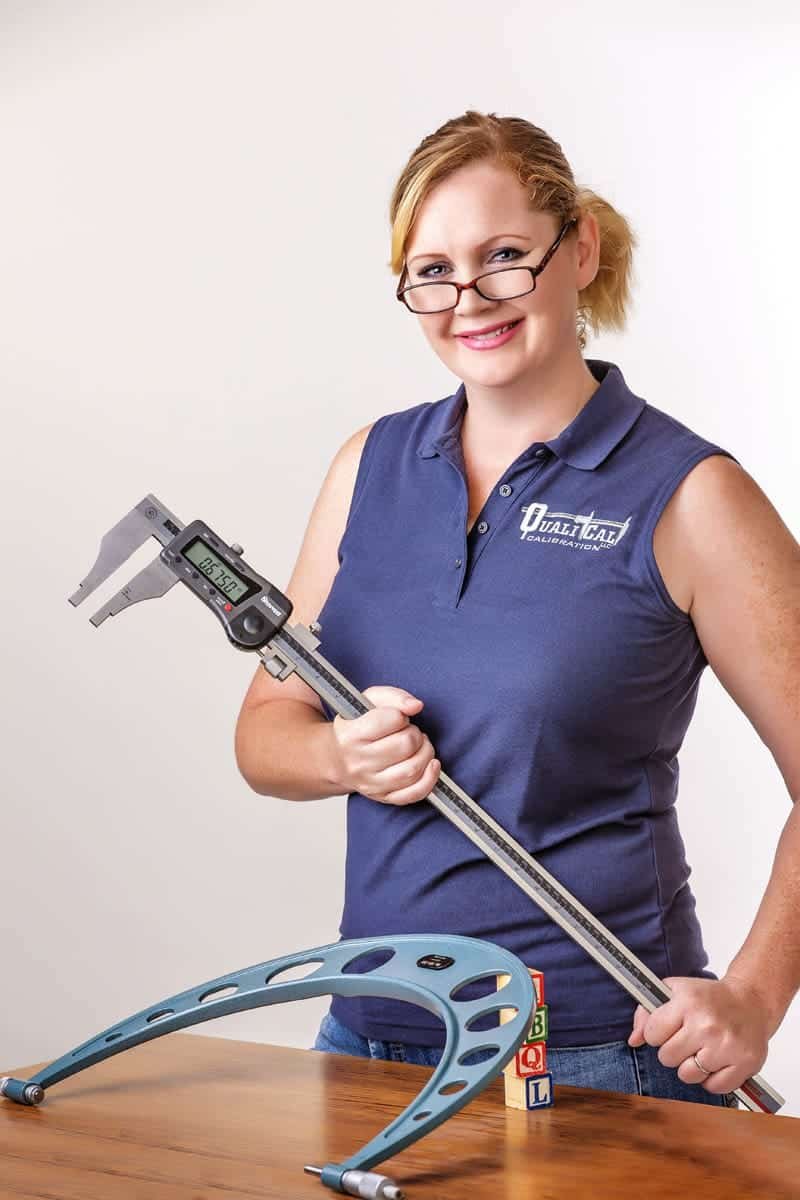
A product on a plain background has its place, particularly for online shopping. But products often become more appealing when customers can picture them in real life.
A bakery might show a cake being cut at a celebration. A boutique might show clothing styled on a person rather than folded on a table. A skincare company might feature the product in a clean daily routine. The photo should make the product easy to understand while showing the feeling or benefit behind it.
6. The food photo that makes people hungry

Restaurant photography has a practical job: make someone stop scrolling long enough to consider lunch. The most useful food images show color, texture, portion, and freshness without turning every plate into a science project.
Some dishes look best from above; others need a lower angle to show layers, height, or steam. The setting matters, too. A table scene can communicate hospitality, while a tight image can put all attention on the dish. What works depends on where the photograph will appear and what customers need to notice first.
7. The before-and-after story

For businesses that create visible change, before-and-after photography is one of the clearest branding tools available. Think renovation work, landscaping, home staging, beauty services, detailing, restoration, or organizational projects.
Consistency matters more than cleverness here. Similar angles, lighting, and framing let viewers understand the result immediately. The “after” image should feel polished, but it still needs to be an accurate representation of the finished work.
8. The process people never get to see
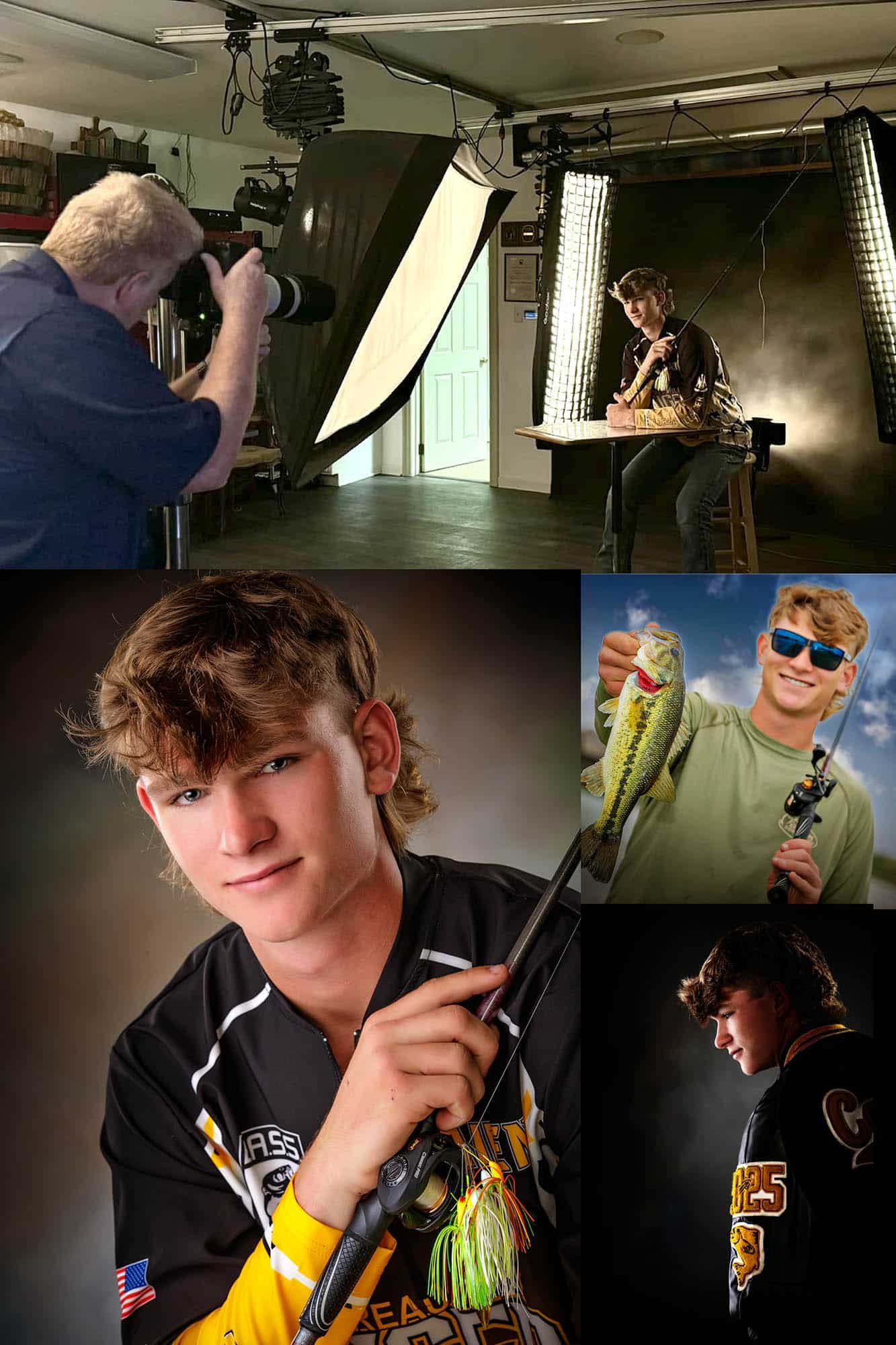
Many businesses have a behind-the-scenes step that customers find fascinating once they see it. It could be a florist preparing arrangements, a craftsman measuring material, a caterer setting up for an event, or a manufacturer inspecting a finished piece.
Process images build credibility because they show care. They are also excellent for social media, where one session can provide a useful mix of wide scenes, close-up details, and portraits of the people doing the work.
9. The client experience, shown naturally
A service business is not only selling a result. It is selling the experience of getting there. A salon can show the welcome at the front desk. A fitness coach can show encouragement during a session. A real estate professional can be photographed walking a client through a property.
These images should feel genuine, not like a staged handshake from a brochure nobody wanted. Clear direction helps people look comfortable, but the interaction itself should match how the business actually treats clients.
10. The location that makes you easy to remember

For many local businesses, the building, neighborhood, or surrounding landscape is part of the identity. Exterior photography can help customers recognize the location and make the business feel established in its community.
This matters for restaurants, retail stores, event venues, and real estate professionals, but it can work for personal brands as well. A South Louisiana professional photographed in a setting that feels familiar and fitting can have more presence than a generic office wall. The setting should add context, not steal the show.
11. The detail shot that proves you care
Details are not filler when they reveal quality. A close-up of a handcrafted finish, a neatly prepared table, a branded package, fresh ingredients, or a technician’s careful work can reinforce the standard behind your service.
These are supporting photographs, not usually the only photographs you need. Use them alongside images of people and the finished product. A customer wants to see the details, but they also want to know who is doing the work and what the final experience looks like.
12. The personal brand portrait with a point of view
A personal brand needs more than a headshot. Speakers, creatives, coaches, entrepreneurs, and professionals with a public presence often benefit from a small collection of portraits with different moods and uses.
One might be direct and polished for a website bio. Another can feel more conversational for social posts. A third might show the person working, speaking, creating, or meeting with clients. The photographs should be varied enough to stay useful, while still looking like they belong to the same person and business.
How to Choose the Right Examples for Your Brand
Start with the question your customer is trying to answer. If they need to trust your expertise, lead with a strong portrait and images of you at work. If they need to understand a product, show the product clearly and show it being used. If the atmosphere is what brings people in, make room for the location, team, and customer experience.
You do not need all 12 types at once. A solo professional may need a headshot, a few working portraits, and a handful of details. A restaurant may need food, staff, interior, and action in the kitchen. A business with a physical transformation to show may put before-and-after work near the top of the list.
It also helps to think about where the images will live before the session. Website banners need room for text. Social media needs variety. A print ad may need a clean, focused frame. Planning that ahead of time keeps a photo session from becoming a collection of nice pictures with no real job to do.
You Do Not Have to Figure Out the Camera Side
Most people are not comfortable being photographed for their business. That is normal. You may know your work inside and out and still have no idea what to do with your hands when a camera appears. That is my department.
With more than 45 years behind the camera, I help clients plan the setting, clothing, and types of images that fit their goals. During the session, I guide you clearly so you look relaxed, capable, and like yourself – not like you are trying to win a pose-off.
If your business needs photographs with a clear purpose, start by planning the handful of images your customers need to see first. A thoughtful session can give you material that feels personal, polished, and useful long after the camera is packed away.