
A buyer may spend only a few seconds deciding whether to click on a listing, but the photographs have a bigger job than earning that first click. The right essential realtor listing photo shots help people understand the layout, imagine daily life there, and decide the property is worth seeing in person. That takes more than standing in a doorway and photographing every room.
A strong listing tells the truth in its best light. It should feel open, inviting, and accurate enough that a buyer arrives for a showing with the right expectations. Overdoing it with dramatic angles or editing can create attention, but it can also create disappointment. Good real estate photography makes a home look cared for and appealing without turning a cozy bedroom into a football field.
Start With the Photos That Sell the Story
Every property has a story. For one home, it may be a welcoming front porch beneath live oaks. For another, it may be an updated kitchen, a deep backyard, or a location that puts a buyer close to the water, work, or school. Before the camera comes out, identify the features that make this particular property worth a closer look.
The exterior hero shot usually leads the listing. It needs to show the front of the home clearly, with straight lines, an inviting angle, and lighting that flatters the property. A home photographed at the wrong time of day can look flat, shadowy, or less cared for than it really is. Timing matters, especially in South Louisiana, where bright sun, heavy clouds, and fast-moving weather all have a say.
The next photographs should guide a buyer through the home in a natural order. A front-door view can establish the entry. From there, the living area, kitchen, dining space, primary bedroom, and primary bathroom usually form the core visual story. The goal is not simply to prove that each room exists. It is to show how the spaces connect and what it would feel like to use them.
A wide living room photograph may reveal the flow to the kitchen. A kitchen image should show the counters, cabinetry, and room to gather, rather than focusing on one shiny appliance. If a home has an open floor plan, that connection deserves careful coverage. Buyers want to know where the sofa goes, whether the island has seating, and if the cook can still be part of the conversation.
Essential Realtor Listing Photo Shots, Room by Room
There is no fixed number of photographs that suits every home. A compact townhome and a large property with a pool, workshop, and acreage should not receive the same treatment. Still, certain images carry more weight in nearly every listing.
The Front Exterior
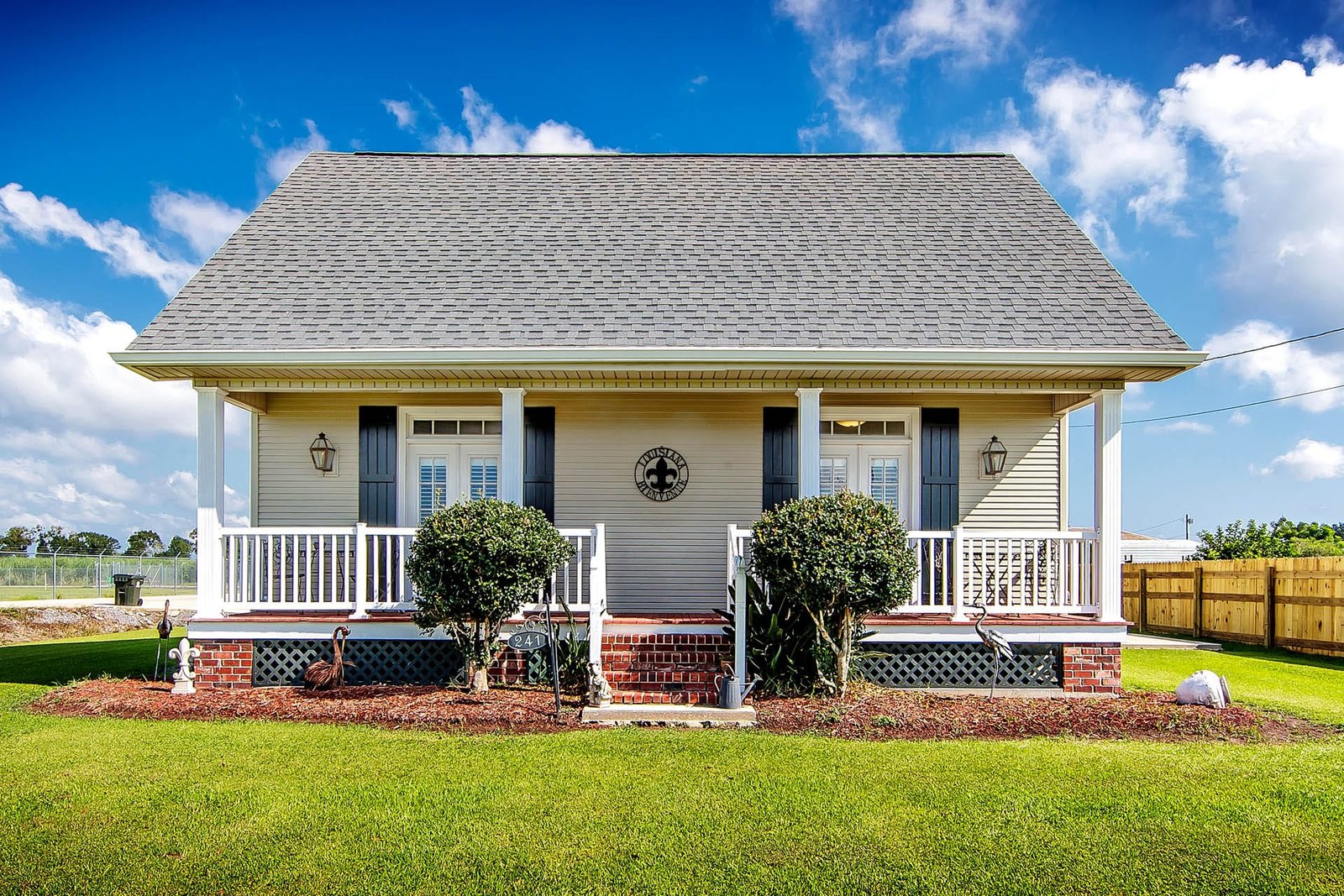
The front exterior is your handshake. It should be clean, well-composed, and free of distractions such as parked cars, trash bins, hoses, or a delivery box that happened to arrive five minutes earlier. A little preparation goes a long way: mow the lawn, move vehicles, sweep the walk, and make sure the front door area looks welcoming.
If the rear of the property offers something valuable, photograph that with equal care. A covered patio, outdoor kitchen, pool, screened porch, dock, detached garage, or generous yard can be the very reason a buyer books a showing. Do not let the back of the home become an afterthought.
The Main Living Area
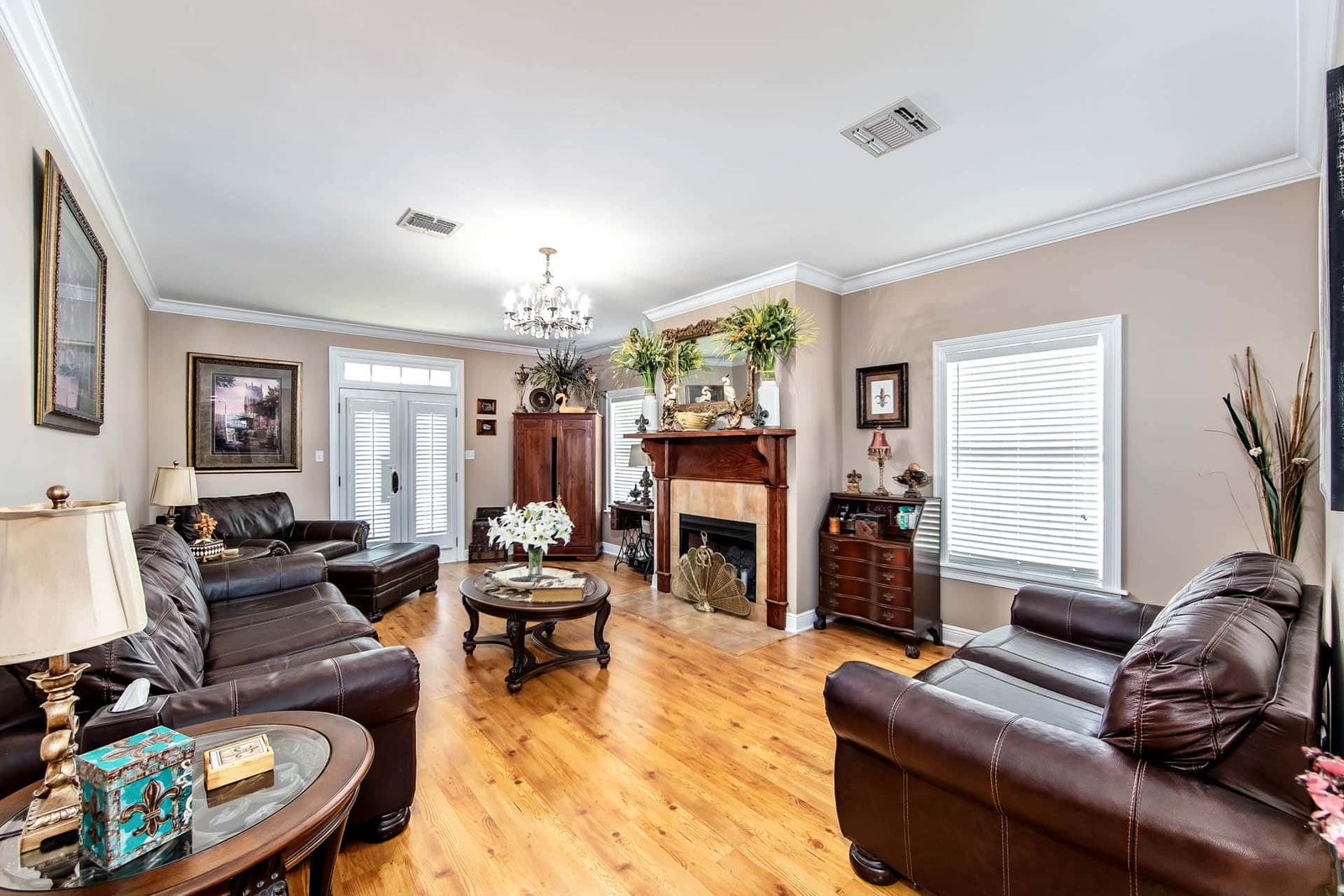
The living room should show scale and flow. Before photographing, remove extra furniture that crowds the room, hide loose cords, and clear small personal items from tables and shelves. You are not trying to make the house look empty. You are giving buyers enough visual room to imagine their own life there.
One carefully chosen angle may be enough for a small room. Larger rooms or spaces with separate seating areas may need more coverage. What matters is that each image adds information. Repeating nearly identical angles can make a listing feel longer without making it clearer.
The Kitchen and Dining Space
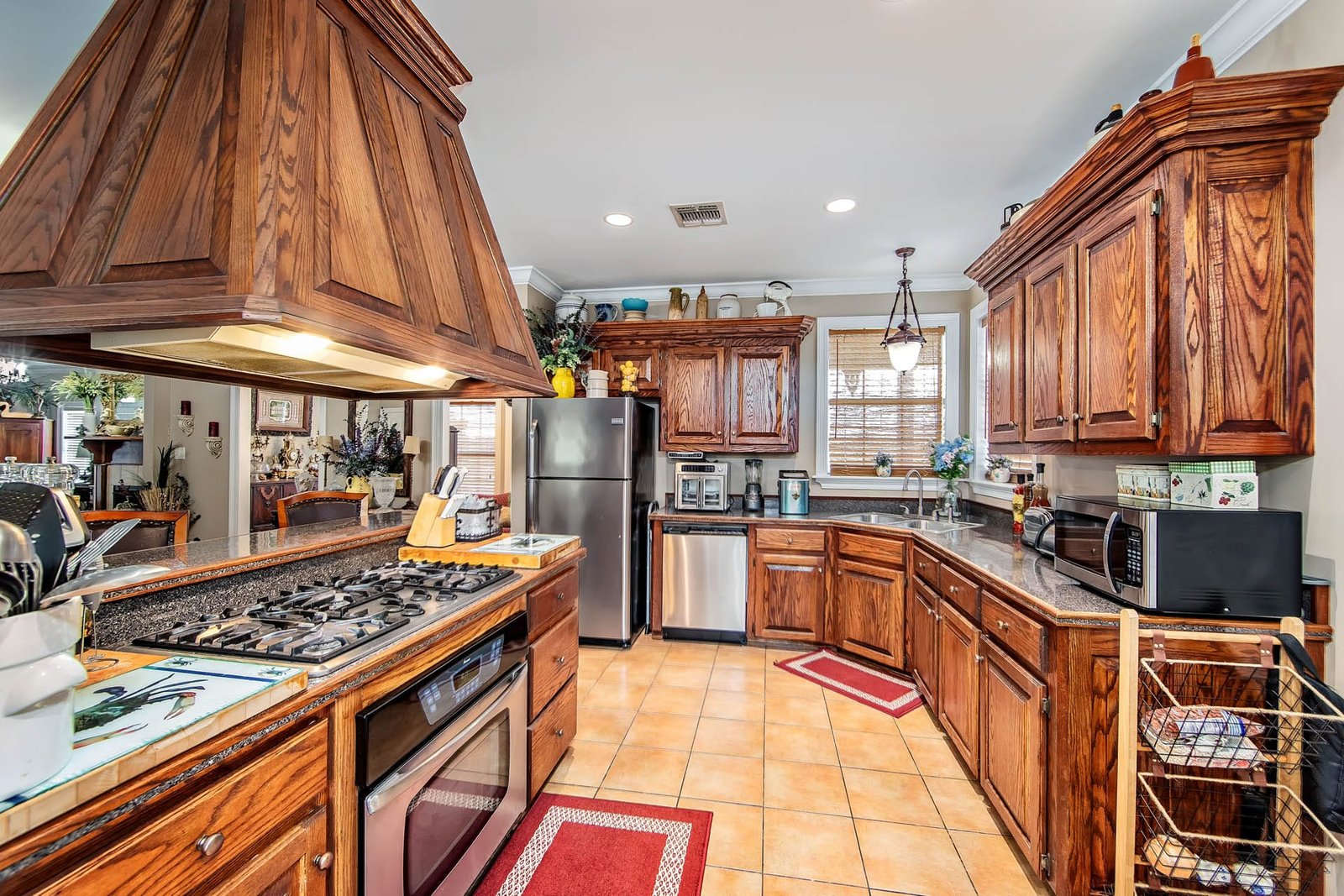
Kitchens earn attention because they are where people gather, cook, unload groceries, help with homework, and occasionally hide from relatives during a holiday visit. Photograph the full kitchen first, then feature details only if they are genuinely worth highlighting, such as a large island, updated range, walk-in pantry, or custom cabinetry.
Counters should be mostly clear. A simple touch can make the space feel lived-in, but too many appliances, mail piles, dish racks, or refrigerator magnets pull the eye away from the room. The same goes for the dining area. Let buyers see its size and relationship to the kitchen or living room.
The Primary Bedroom and Bath
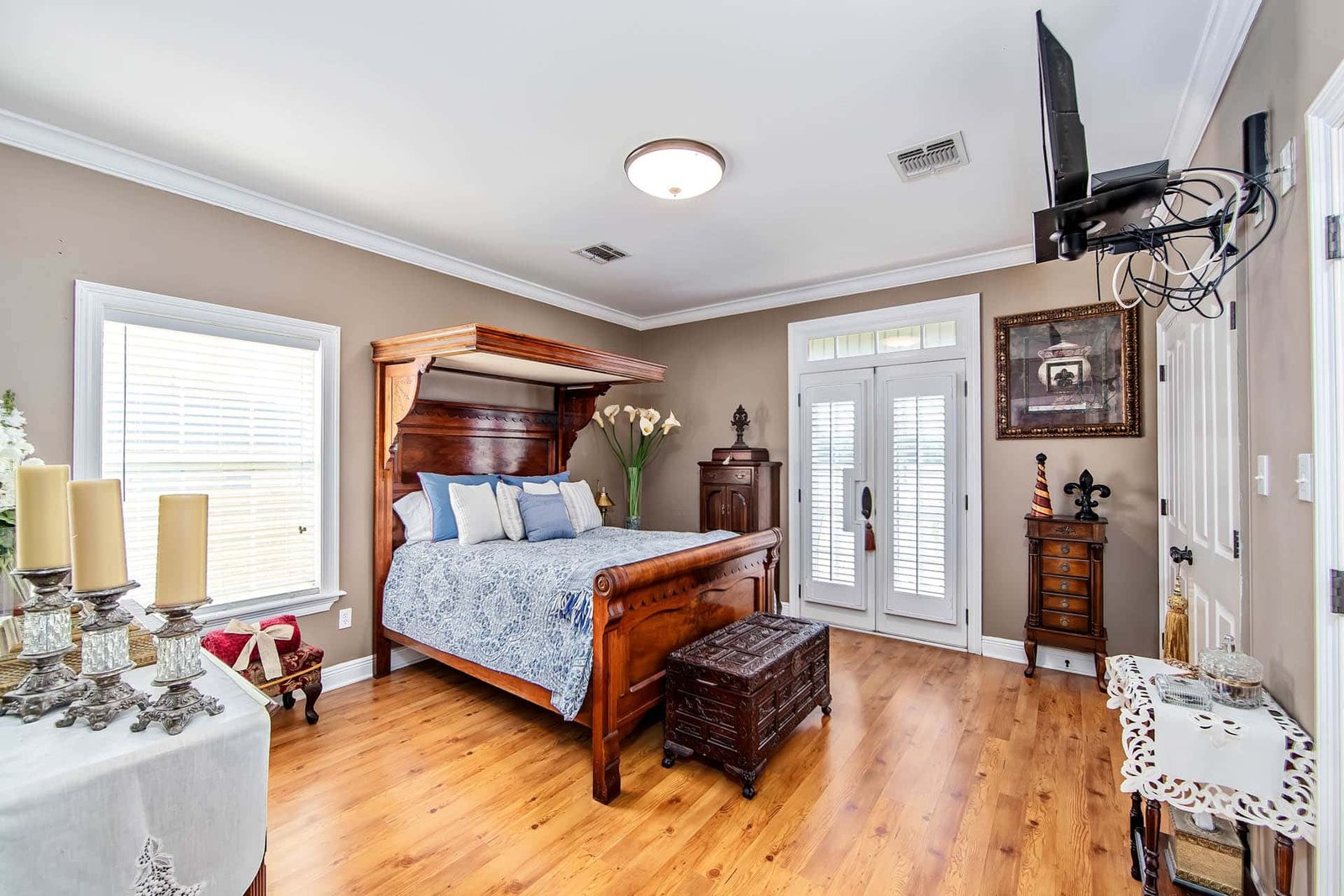
The primary bedroom should feel restful and roomy. Make the bed neatly, reduce visual clutter, open blinds when the view or natural light helps, and remove personal photographs where practical. Buyers are trying to see the room, not learn the family tree.
In the primary bath, clear counters, close the toilet lid, hang fresh-looking towels, and remove bath mats if they make the floor disappear. If there is a soaking tub, large shower, double vanity, or a well-designed closet, show it. These are functional features that often matter during a buyer’s decision process.
The Features That Make the Listing Different
After the core rooms are covered, photograph what sets the property apart. This could be a fireplace, built-in shelving, mudroom, office, laundry room, bonus room, workshop, finished attic, or a view from the back porch. A beautiful staircase may deserve a photograph. A standard hallway usually does not, unless it connects important spaces or has a feature worth showing.
Details can support the story, but they should not replace it. A close-up of a pendant light or a faucet may look nice, yet it does not help a buyer understand the home as much as a well-made room photograph. Use detail shots with purpose.
What to Leave Out of a Listing Gallery
Not every room needs a photograph. Utility closets, cramped storage corners, and ordinary half baths can be skipped unless they offer meaningful value. Photographing every inch of a home can accidentally make a listing feel confusing or reveal clutter that a buyer would barely notice in person.
Honesty still matters. If a property has a smaller bedroom, a dated bath, or an unusual layout, photographs should not hide the reality with extreme angles. The better approach is to make the space neat, bright, and accurately presented. Buyers can handle a home that needs some work. What they do not appreciate is feeling surprised after they arrive.
The same principle applies to editing. Bright, balanced photographs are helpful. Skies can be improved when weather does not cooperate, and windows can be handled so the view does not turn into a white rectangle. But colors, room sizes, and finishes should still look like the actual property. A listing needs confidence, not magic tricks.
Prepare the Home Before the Photographer Arrives
The best photography begins before the appointment. Realtors can make the process easier by giving sellers a simple preparation plan: declutter visible surfaces, put away personal items, clean mirrors and floors, replace burned-out bulbs, open blinds, and turn on lights where appropriate. Outside, move vehicles, secure pets, and tidy patios and yards.
It also helps to think about the home from a buyer’s perspective. Is the favorite selling feature hidden behind a large chair? Or is the dining table covered with paperwork? Is the pool gate open, or are outdoor cushions stacked in a corner? These are small details, but the camera notices everything. It has no sympathy for a laundry basket.
You do not need to stage every property like a magazine spread. Some homes benefit from fuller staging, while others simply need a good cleaning, less clutter, and thoughtful furniture placement. It depends on the price point, target buyer, condition of the home, and how much visual competition exists in the market.
Give Buyers a Reason to Take the Next Step
Real estate photographs are not meant to answer every question. Their job is to create clarity, interest, and enough confidence for a buyer to request more information or schedule a showing. When the exterior, main living spaces, kitchen, primary suite, and standout features are photographed with care, the listing feels organized and credible before anyone walks through the door.
If you are marketing a property in Houma, Thibodaux, New Orleans, or elsewhere in South Louisiana, plan the photo coverage around what buyers need to see first. A well-prepared home and a thoughtful shot list give the property its strongest first impression. When you are ready, request real estate photography information and let’s make sure the listing looks as good online as it does in person.