
A headshot has a job to do before anyone reads your résumé, visits your website, or sends that first email. It should say, “This is me. I’m confident. You can trust me.” When clients ask about studio headshots vs outdoor headshots, the right answer is not a one-size-fits-all rule. It comes down to where that photograph will live and what you want people to feel when they see it.
Some people need a clean, consistent image for a company profile. Others want a personal brand photo with warmth, energy, and a little more story. Both can look polished. Both can look like you on a very good day. The difference is in the message.
What a Studio Headshot Says
A studio headshot keeps the attention exactly where it belongs: on you. With a simple background, controlled lighting, and no visual distractions, your expression becomes the main event. That is often the smart choice for attorneys, medical professionals, real estate agents, corporate teams, job seekers, and anyone who needs a clean professional image that works almost anywhere.
The studio also gives us consistency. Rain can be doing its South Louisiana rain thing. The sun can be bright enough to make everyone squint. None of that changes the plan when you are in the studio. I control the light, the background, and the overall look, which means we can create a refined image without chasing the weather or the clock.
That control is especially helpful when several people need matching headshots. A business team looks more organized when each person has a similar background, lighting style, and level of polish. The individuals still look like themselves, but the group looks connected.
A studio setting is also a good fit if you feel nervous in front of the camera. There is less going on around you, fewer people walking past, and no need to wonder where you should stand. You come in, I guide you, and we focus on small adjustments that make a real difference – your posture, the angle of your shoulders, where your hands go, and the expression in your eyes. You do not need to arrive knowing your “good side.” That is my department.

The studio is best when you need
A studio headshot is usually the strongest choice when you want a timeless look, a neutral or branded background, a consistent team image, or a photograph that can move easily from LinkedIn to a company website to a conference program.
It is not automatically formal or stiff. A relaxed expression, the right wardrobe, and thoughtful direction can make a studio portrait feel approachable and current. Clean does not have to mean boring. It simply means nothing competes with your face.
What an Outdoor Headshot Says
Outdoor headshots bring in a sense of place. Natural light, architecture, greenery, texture, and depth can make a portrait feel more personal and editorial. For a creative professional, business owner, musician, model, realtor, or speaker, that extra environment may help tell the story before a word is spoken.
Picture the difference between a crisp studio portrait on a soft gray background and a confident portrait outside a favorite restaurant, near a downtown building, or in a location with warm afternoon light. The first says polished and focused. The second may say connected, energetic, local, creative, or personable.
Outdoor sessions can be particularly useful when your work is closely tied to people or place. A realtor may look right at home in a neighborhood setting. A restaurant owner may want the character of their location behind them. A senior who wants portraits with more personality may love the movement, color, and variety an outdoor location can provide.
But outdoor does not mean casual by default. The right location and direction can produce a sharp, professional headshot. It just has more variables. Light changes. Wind has opinions. A busy background can accidentally pull attention away from you. That is why location choice matters more than most people realize.
I look for backgrounds that support the subject rather than steal the show. A brick wall, an elegant doorway, a clean walkway, or a little soft greenery can add interest without making your headshot look like a vacation photo. The goal is still you, not the shrubbery.
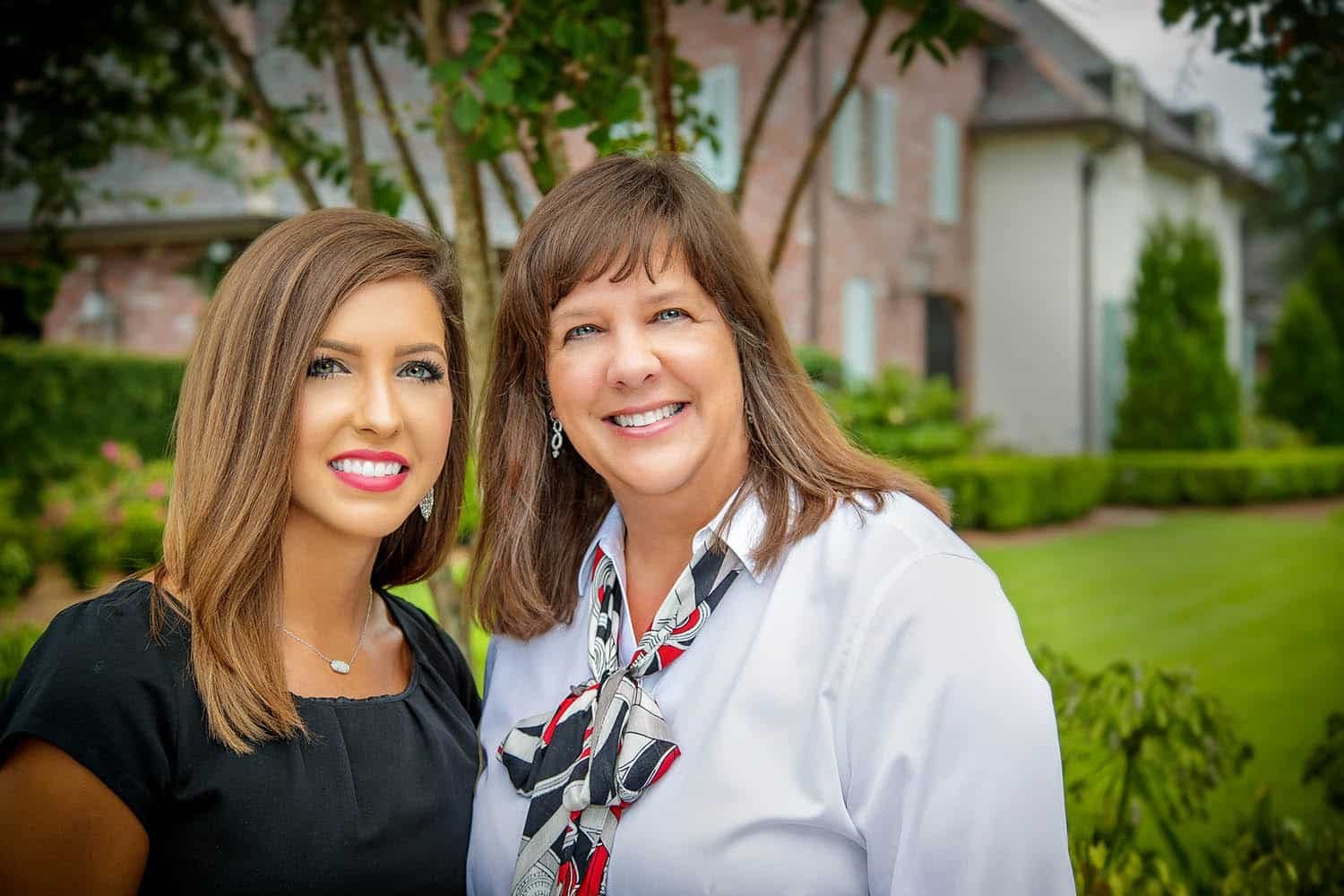
Outdoor headshots are best when you want
An outdoor setting works well when you want a more relaxed personal brand, visual connection to your business or community, or several looks with different backgrounds. It can also be a great choice if you simply feel more at ease outside than in a studio.
For senior portraits, outdoor images often give us room to let personality breathe. Clothing, hobbies, a meaningful location, and a more natural sense of movement can all play a role. Parents still get a polished portrait they are proud to share, while high school seniors get photographs that do not feel like everyone else’s.
Studio Headshots vs Outdoor Headshots: The Real Trade-Offs
The choice is less about which option is better and more about which one supports your goal.
Studio headshots offer predictability. We can create a clean, repeatable look in any season, with lighting designed specifically for your features. If you need a direct, professional image with broad usefulness, the studio is hard to beat.
Outdoor headshots offer personality and context. They can feel less formal, more personal, and more visually varied. They also require more flexibility with weather, time of day, and surroundings. A location that looks great at 6:30 p.m. may look entirely different at noon.
Wardrobe matters in both settings, but it changes slightly with the backdrop. In the studio, solid colors and simple layers often photograph beautifully because they keep the attention on your face. Outdoors, we can consider how your clothing works with the environment. You want to complement the setting, not disappear into it or compete with it.
Your industry matters, too. A financial professional may benefit from a classic studio headshot for a company directory, while a designer may want an outdoor image for a portfolio site. A real estate agent might choose one of each: the studio image for formal business use and the outdoor image for marketing that feels more neighborhood-focused. There is no rule saying you only get one style for the rest of your career.
How to Choose Without Overthinking It
Start with the first place people will see the photo. If it is for a company website, LinkedIn, a professional association, or a staff directory, ask whether the organization already has a visual style. A studio headshot may help you fit that standard neatly.
If the image is for your own website, social media, marketing materials, or a brand built around your personality, consider whether an outdoor setting would say more about you. The answer might be yes, especially if your clients value familiarity and connection.
Then think about comfort. Some people relax the moment they are outside. Others would rather avoid heat, wind, and the possibility of an enthusiastic mosquito joining the session. Neither preference is wrong. Looking comfortable is more valuable than trying to force a style that does not suit you.
Finally, consider how long you want the image to work for you. A studio portrait with classic clothing tends to age very well. An outdoor headshot can also last, but trendy locations, bold patterns, or heavily branded settings may date it sooner. That may be perfectly fine if your brand changes often or you plan to refresh your photos regularly.
The Best Choice Is the One That Looks Like You
The strongest headshot is not the one with the fanciest background or the most serious expression. It is the one that makes the right person feel comfortable contacting you. You should look polished, capable, and recognizable – not so retouched or over-posed that Grandma has to ask who that is.
At Kirk Voclain Photography, I help clients throughout Houma, Thibodaux, New Orleans, and South Louisiana make that decision before the session begins. We can talk through where the image will be used, what you want it to communicate, and whether the studio, an outdoor location, or a combination gives you the best result.
Bring the goal. I will help with the rest, including the part where you wonder what to do with your hands.