
A listing can be clean, well-priced, and sitting in a great neighborhood, but buyers still make their first decision with their eyes. The strongest realtor photography examples do more than document rooms. They help someone picture a morning in the kitchen, a gathering on the patio, or the relief of finally finding a home that feels right.
That does not mean every photo needs dramatic skies and magazine-level styling. It means each image needs a job. Good real estate photography gives buyers an honest, appealing sense of the property while making the space feel easy to understand. If they have to squint, guess where a doorway leads, or wonder why the living room looks like a bowling alley, the photographs are not helping.
Realtor Photography Examples That Build Buyer Interest
Here are 12 image types I look for when photographing a property. Not every home needs every one of them. A downtown New Orleans condo needs a different visual story than a family home in Houma with a big backyard, and that is exactly the point.
1. The clean exterior hero shot
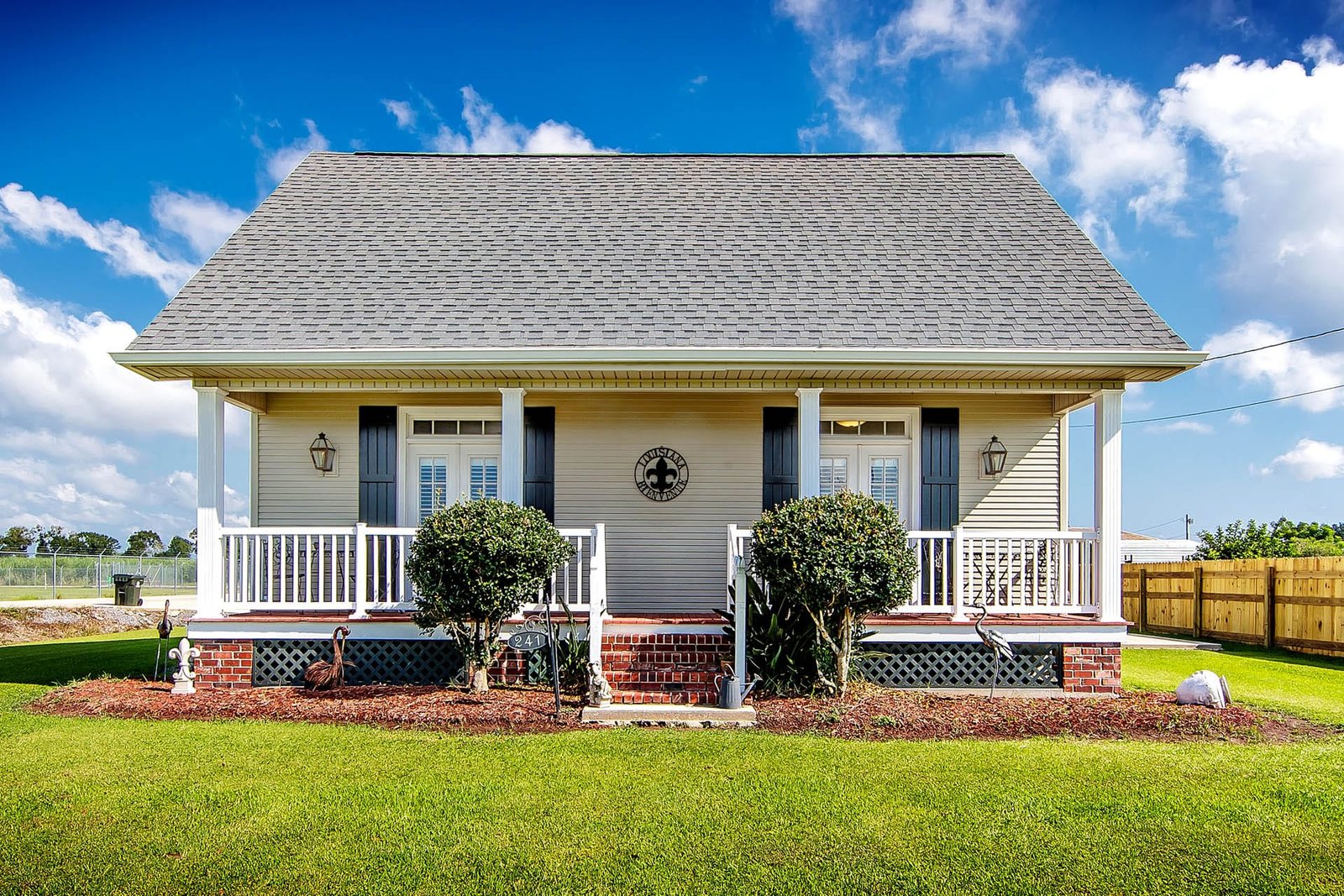
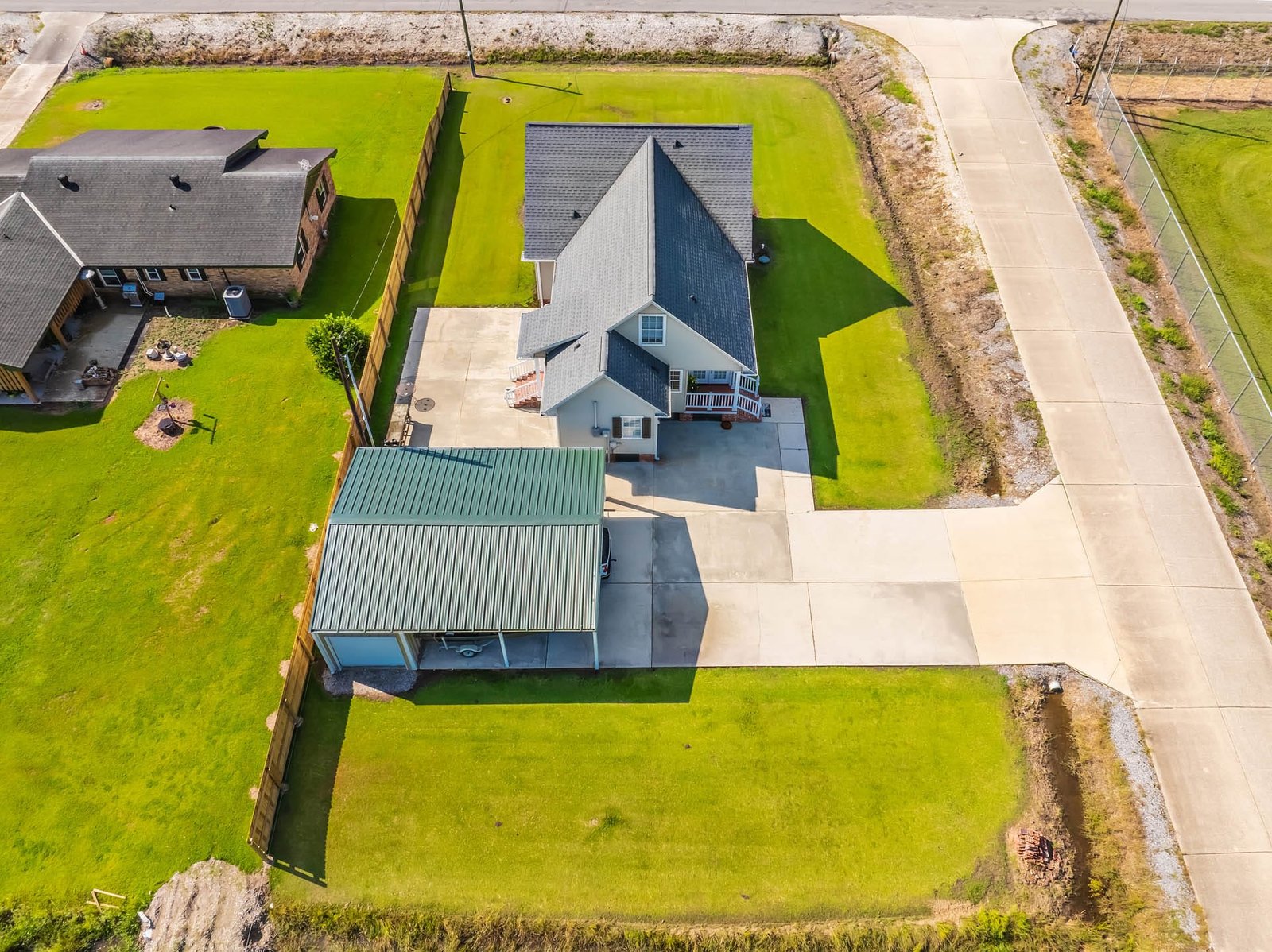
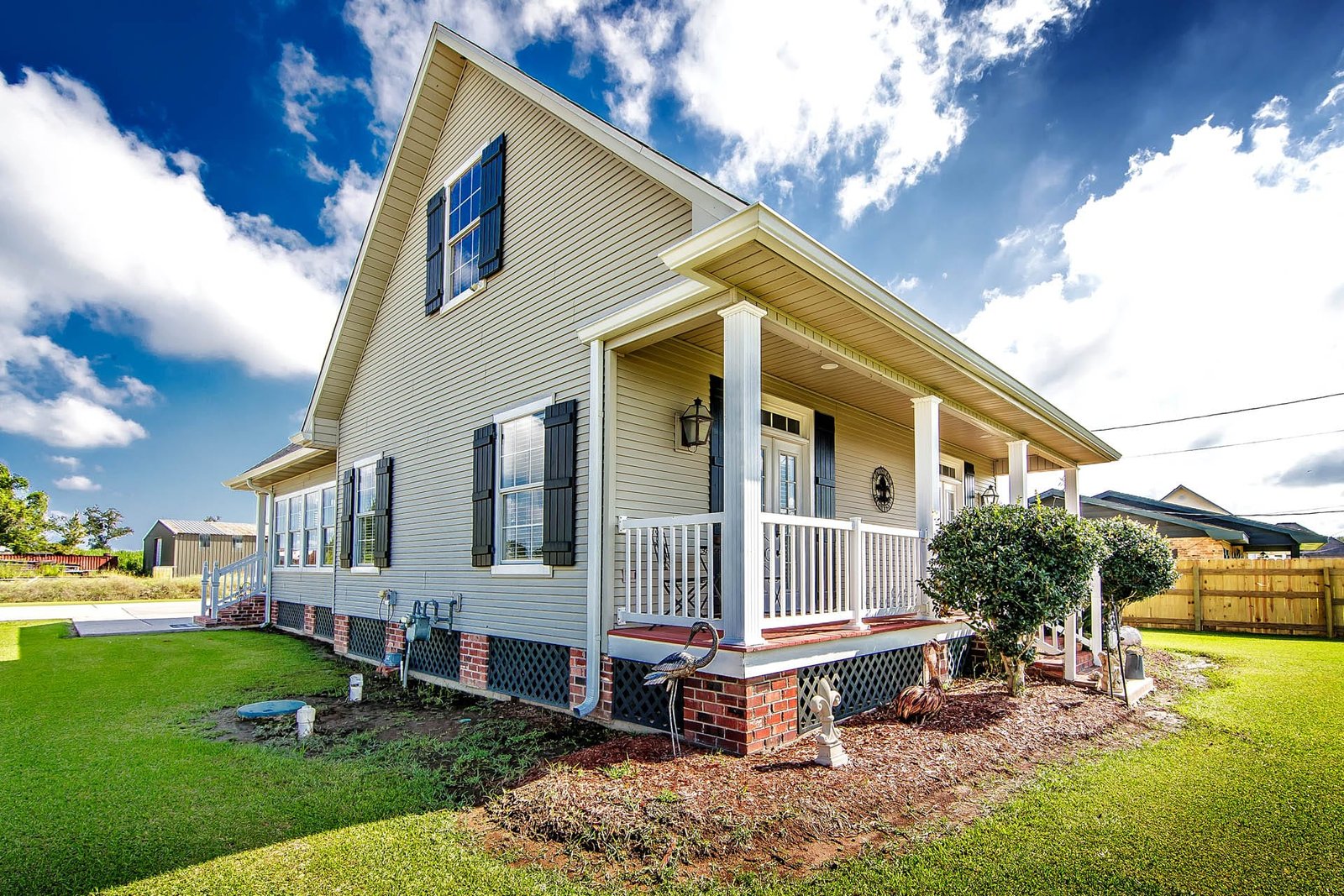
This is the photograph that often earns the first click. A strong front exterior shows the home at its best angle, with the lawn neat, vehicles moved, and distractions kept out of the frame. The light matters, too. Soft, even light can make the front of a home feel welcoming without hiding its real color and detail.
The goal is not to make a modest home pretend it is a mansion. It is to give the buyer a clear, confident first look at the place they may want to call home.
2. An entry that creates a natural path inside
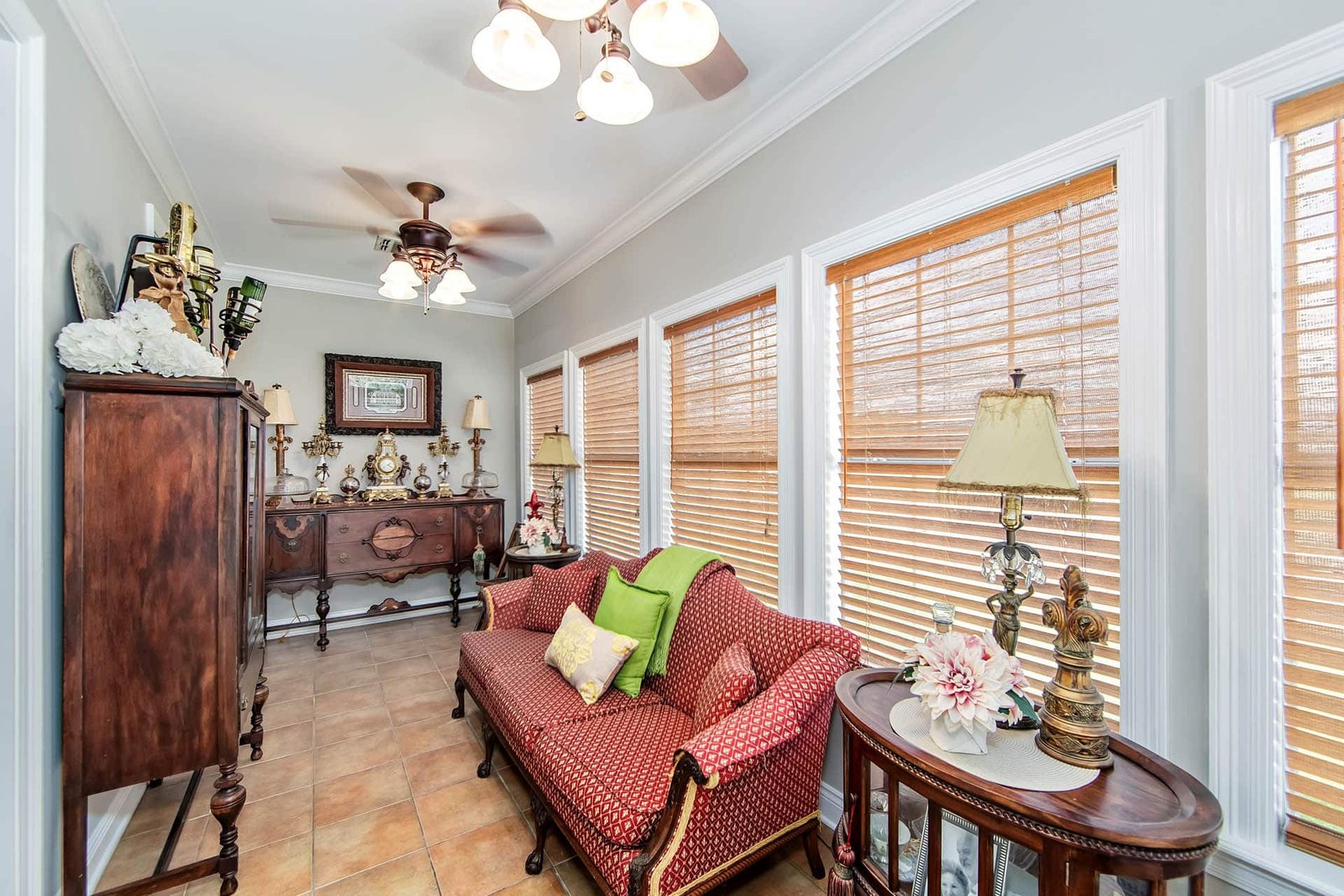
The entry photo should answer a simple question: what happens when I walk through that front door? When the angle shows the foyer and a glimpse of the main living area, buyers can begin to understand the flow of the house.
This is especially useful in homes with open floor plans, but it matters in older homes, too. A good photograph can make a connected layout feel inviting. A poor angle can make the same space look chopped up and confusing.
3. A wide living room that still feels believable
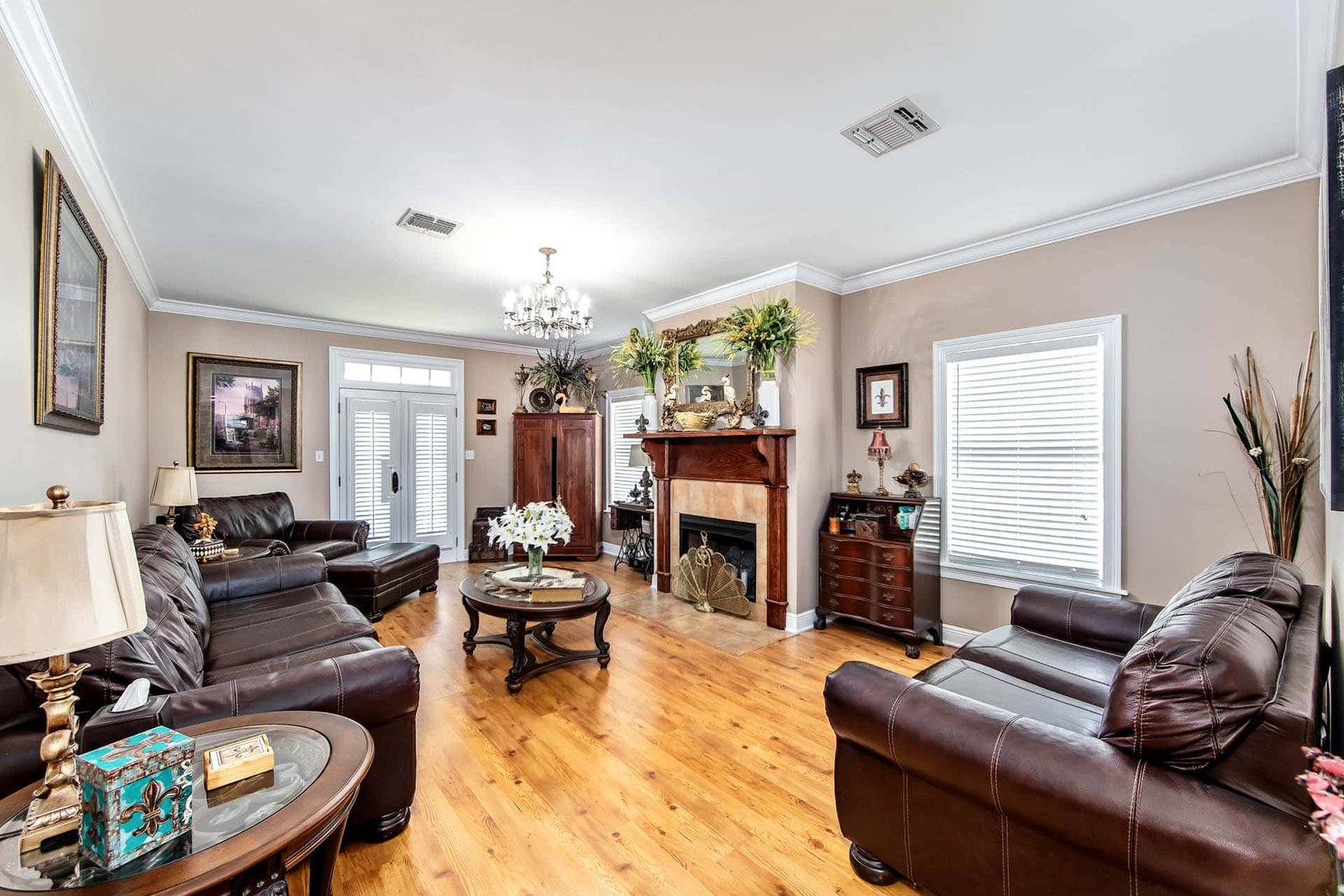
Living rooms need room to breathe in a photograph, but there is a line between showing the full space and making it look stretched beyond recognition. Careful composition lets buyers see the seating area, windows, ceiling height, and nearby rooms without turning the furniture into tiny props.
Before the camera comes out, take away the clutter that pulls attention – remote controls, pet beds, extra cords, piles of magazines. You do not need to make the house look unlived-in. You just want buyers looking at the room, not wondering why there are seventeen throw pillows on one sofa.
4. A kitchen photo that shows the working space
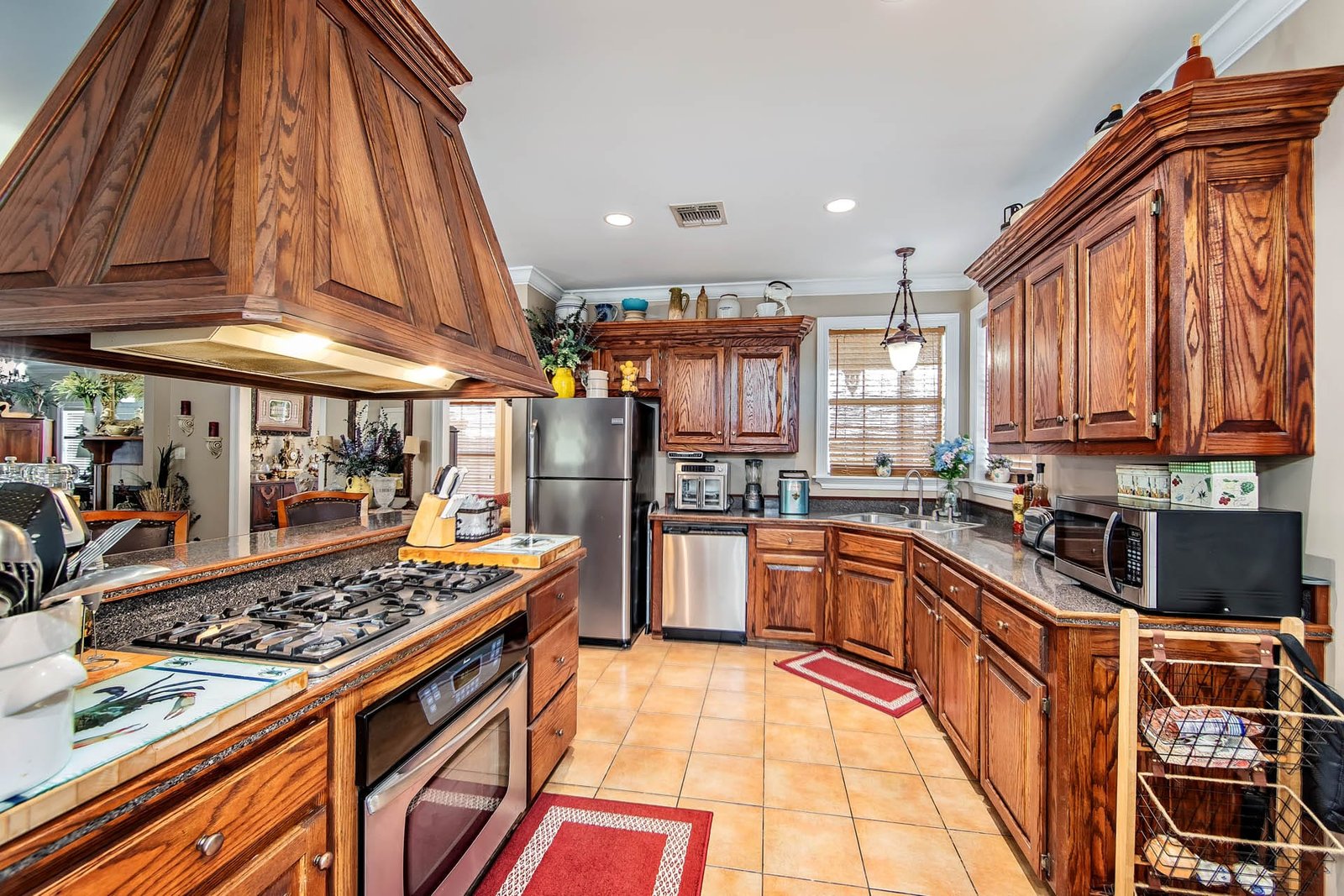
Kitchens sell because buyers want to know where life will happen. One photo might show the overall layout, while another focuses on a feature worth noticing, such as a large island, gas range, walk-in pantry entrance, or a view toward the dining space.
Counters should be mostly clear. A bowl of fruit or a simple plant can add warmth, but the kitchen itself is the star. Let the countertops, cabinets, storage, and work areas do the talking.
5. The dining area in context
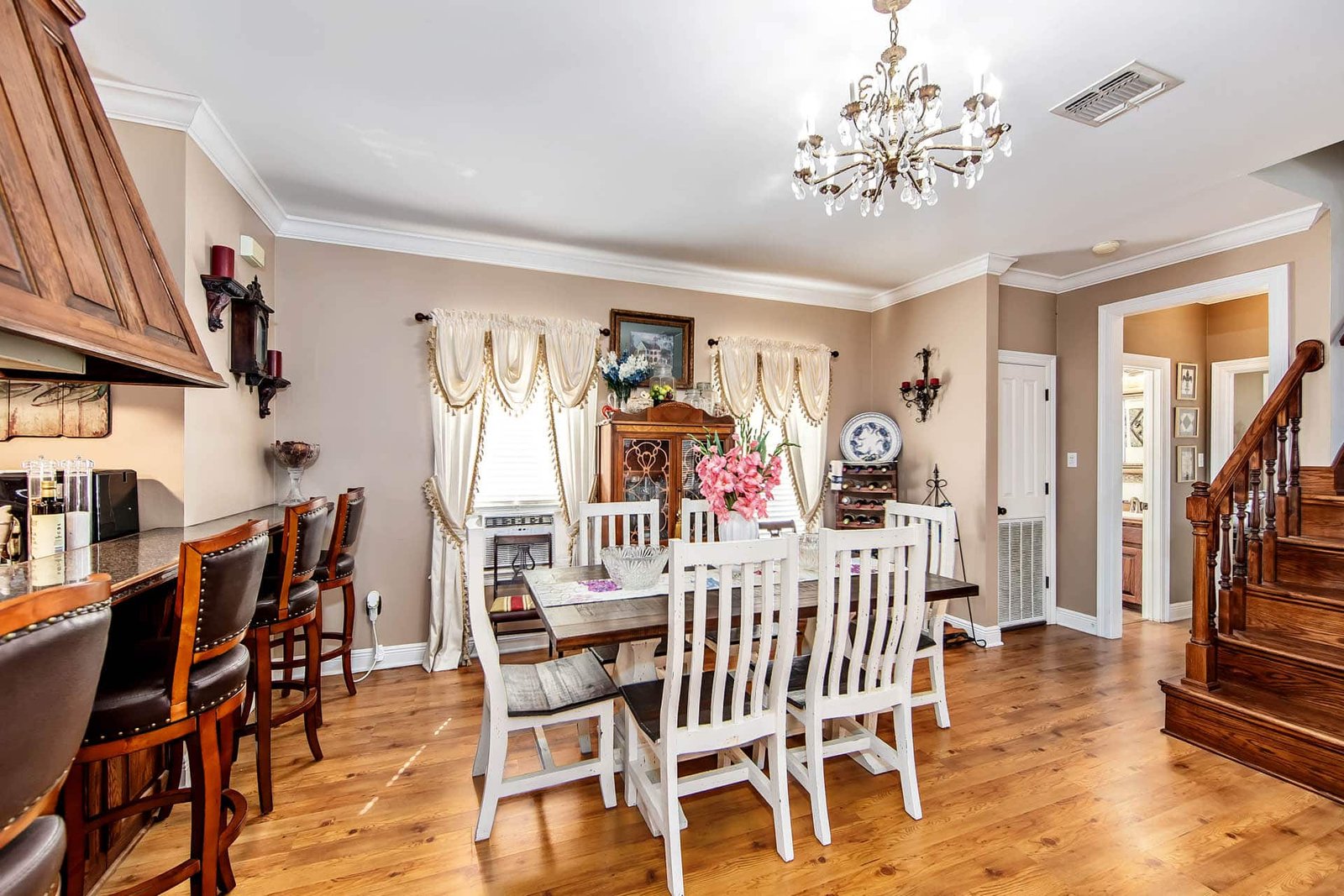
A dining room or breakfast nook can look small when photographed tightly. It often works better to show how it connects to the kitchen, living room, patio, or windows. That connection tells buyers how the space functions on an ordinary Tuesday night and when company comes over.
For a smaller nook, a clean table and good light can make all the difference. The photograph should say, “Yes, you can actually sit here comfortably,” not, “Here is a mysterious table wedged beside a refrigerator.”
6. A primary bedroom with calm, useful scale
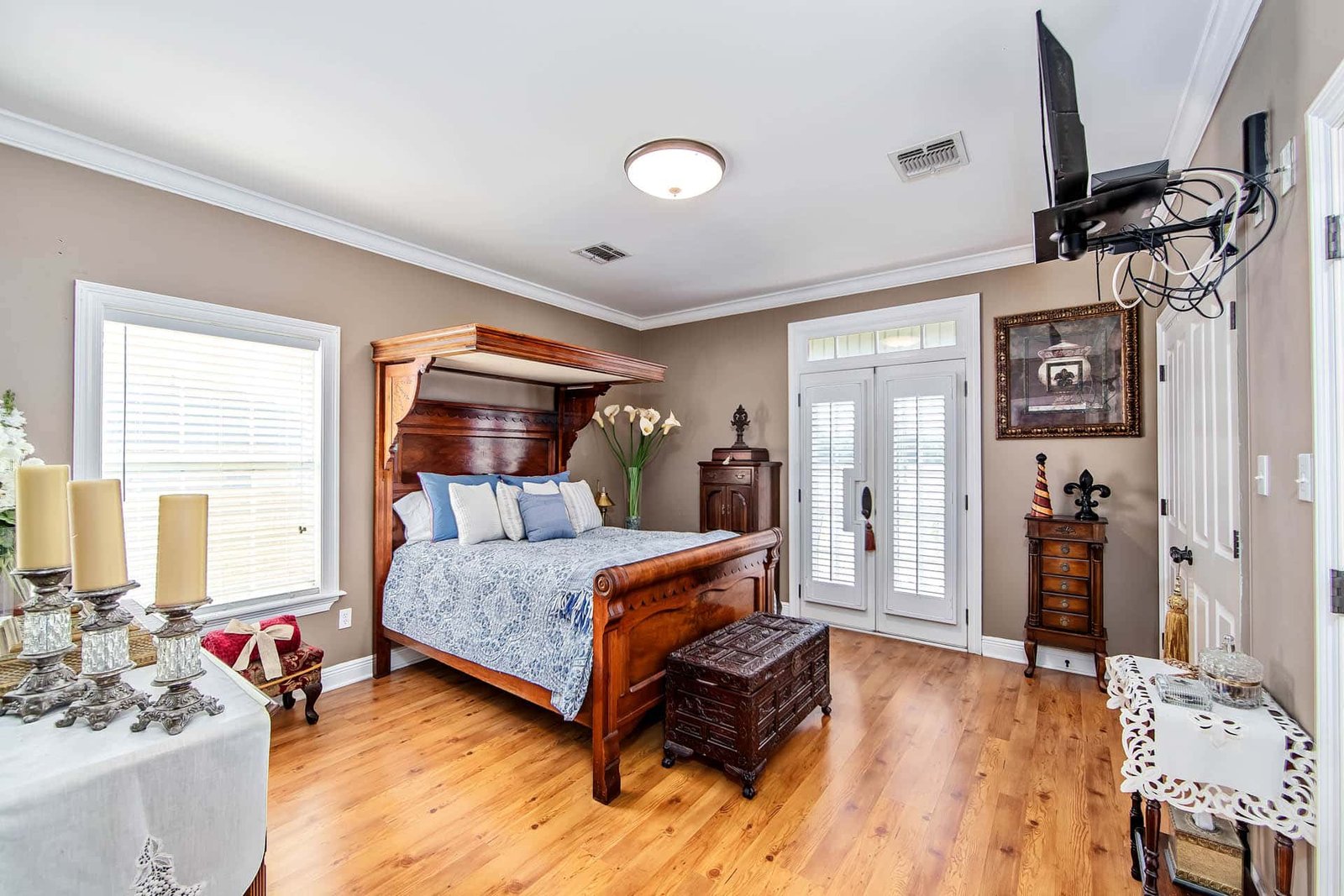
Bedrooms are personal spaces, so they need to feel restful without becoming vague. A strong primary bedroom photo shows the bed placement, window placement, and enough of the room to make its size understandable.
Simple preparation helps: straighten the bedding, clear nightstands, put away laundry, and remove personal items that distract from the room. Buyers are trying to picture their own routine there. Give them enough visual room to do it.
7. A bathroom image that feels bright and clean
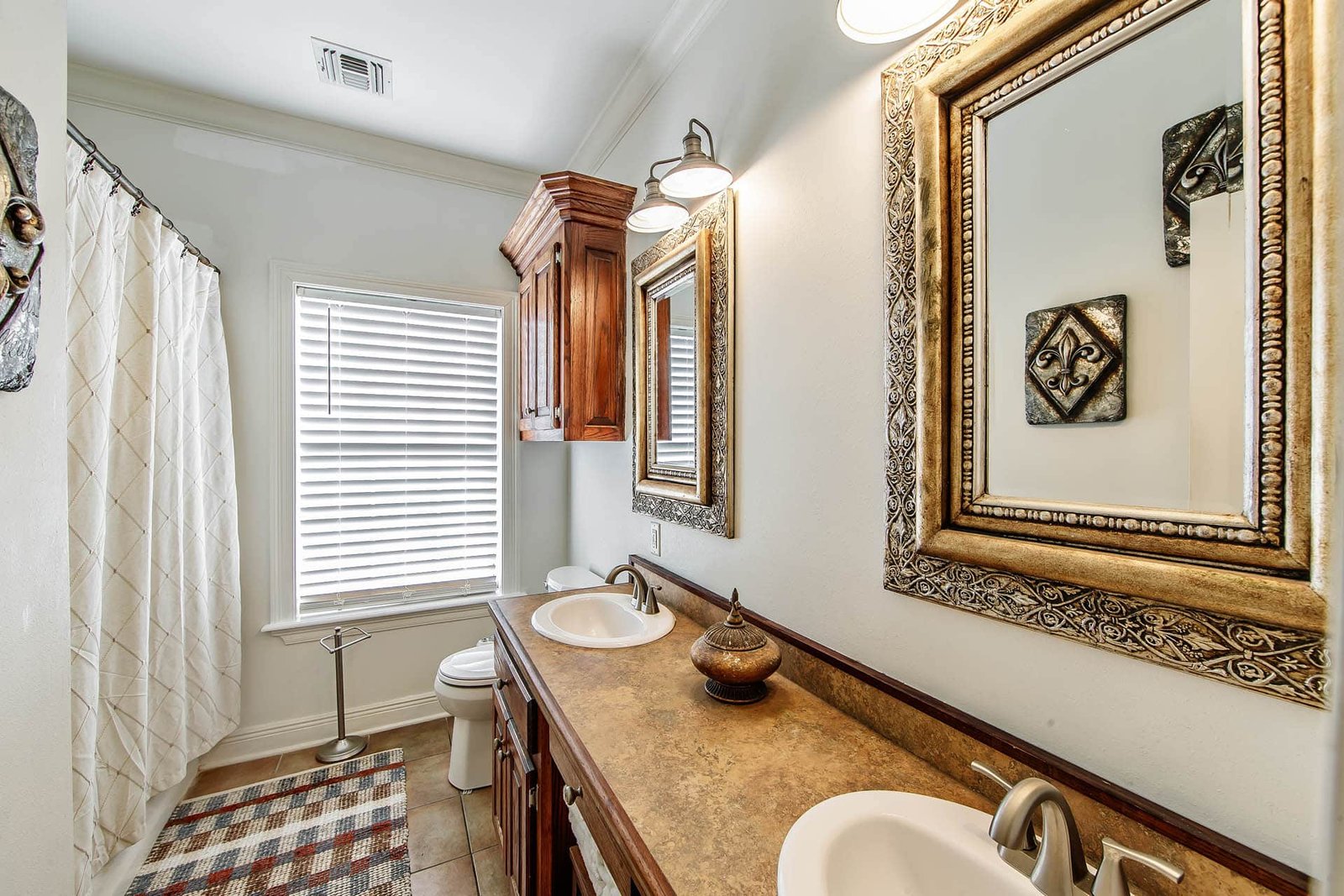
Bathrooms can be challenging because they are often compact and full of reflective surfaces. The best images keep the lines straight, show the layout clearly, and use light that makes the room feel fresh rather than harsh.
Close toilet lids, remove toothbrushes and everyday products, and hang clean towels if appropriate. This is not fancy styling. It is basic courtesy to the room and to the person viewing the listing.
8. Details that explain value
Wide room shots are necessary, but detail images can add personality and support the home’s value. Think original millwork, a fireplace surround, custom tile, a porch ceiling, built-in shelving, or a beautiful set of French doors.
The trade-off is restraint. A listing full of close-ups with no room context can feel like it has something to hide. Detail photographs work best when they support the larger story of the home rather than replace it.
9. Outdoor living space with a purpose
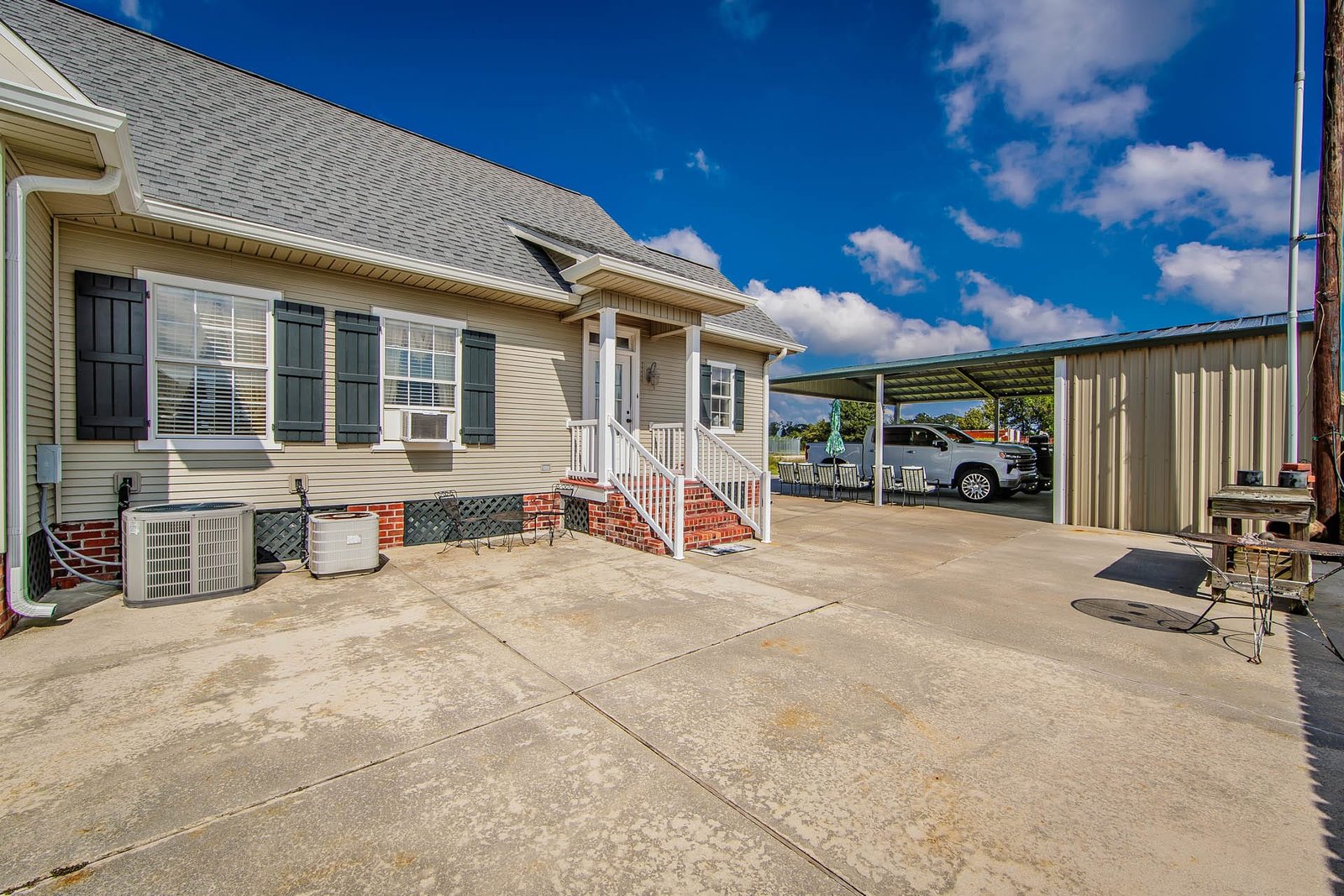
In South Louisiana, outdoor areas can be a major part of the lifestyle a buyer is considering. A covered patio, screened porch, pool area, outdoor kitchen, deck, or open backyard deserves more than a quick snapshot through a window.
Photograph the space so buyers understand its use. Can they see a table under the patio cover? Is there room for children to play? Does the yard connect naturally to the house? A good outdoor image makes that answer easy.
10. The view buyers would notice in person
Sometimes the property’s best feature is what it looks out on: a tree-lined lot, water, a courtyard, a city view, or a peaceful stretch of open land. A photograph from inside toward that view can be just as important as an exterior image of it.
Getting this right requires balance. If the window is blown out white, the view disappears. If the room is too dark, buyers cannot tell where they are standing. Careful lighting helps both the room and the view feel real.
11. A twilight exterior when the home calls for it

Twilight photography is not necessary for every listing, but it can be a smart choice for homes with strong exterior lighting, a pool, a welcoming porch, or an especially attractive front elevation. The warm interior and landscape lights can create a sense of atmosphere that a midday image cannot.
It works when it reflects something true about the property. It should not be used as a shiny distraction from an exterior that has not been prepared. Mow the lawn, clear the driveway, tidy the porch, then let the evening light do its part.
12. A final image that completes the story

The last photo in a listing should leave buyers with something memorable. Depending on the home, that could be the backyard at sunset, a beautiful staircase, the front porch, or a view from the primary suite.
Think of it as the closing scene, not a random leftover. The right final image gives a buyer one more reason to schedule a showing instead of scrolling on.
What These Realtor Photography Examples Have in Common
The best real estate photos are clear before they are clever. They show accurate proportions, natural light, thoughtful composition, and a property that has been prepared for its moment. Buyers should feel invited in, not tricked into clicking.
That is why preparation and photography belong together. I can guide the visual side – where the camera should go, which features deserve attention, and how to make rooms look open and natural. The seller and agent can help by clearing surfaces, opening blinds when appropriate, turning on key lights, and making sure the home is ready before the session begins.
After more than 45 years behind the camera, I know that a relaxed, well-planned approach usually produces the strongest results. The goal is not to make a property look like every other listing. It is to show what makes this one worth seeing in person.
If you are preparing a property in Houma, Thibodaux, New Orleans, or elsewhere in South Louisiana, start by identifying the features buyers will remember. Then schedule a real estate photography session that gives those features the attention they deserve.